





Project Background
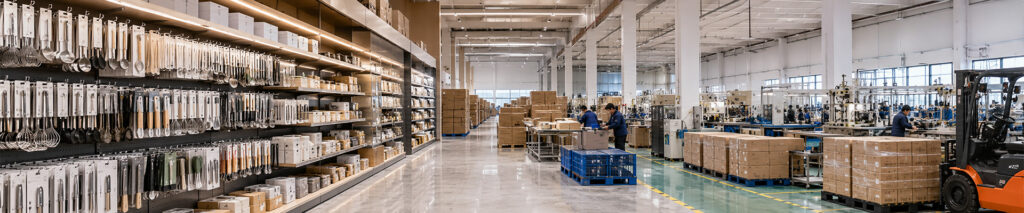
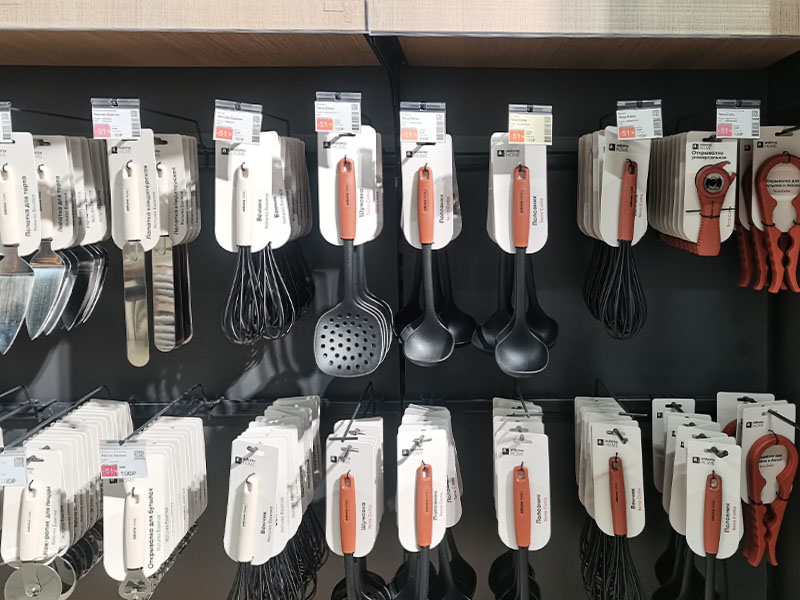
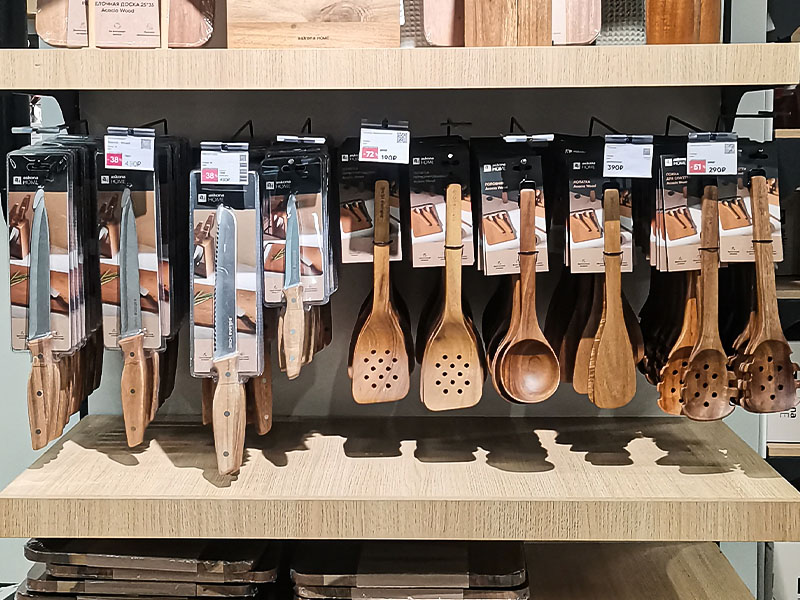
A large homeware retail group covering multiple markets needed a long-term supply of price-sensitive kitchenware products.
Before product development began, the target retail price had already been fixed. The supplier could not rely on later price increases to compensate for design, material, or production efficiency problems.
Therefore, the core of the project was not finding the lowest quotation. It was building a manufacturing and supply system that could operate reliably under strict cost limits.
Core Challenges
- Limited cost room
Once the retail price was fixed in advance, materials, structure, packaging, production, and logistics all had to be designed around the target cost. Any later modification could disrupt the original cost model.
- Batch quality variation
Short-term low pricing achieved by lowering material standards could lead to performance and appearance differences across batches, eventually causing returns, complaints, or brand damage.
- Large-scale replenishment pressure
When a retail network covers multiple countries and many stores, even small production delays or cost changes can be amplified into stockouts, inventory issues, and cash-flow pressure.
- SKU complexity
Too many parts, materials, and non-standard structures increase procurement, scheduling, inventory, and quality management costs. A seemingly lower unit price may become a higher overall operating cost.
Solution
- Strategic product simplification
During R&D, the team first identified the functions consumers truly needed and removed complex design elements that did not add clear market value but increased mass production risk. Simplification did not mean reducing value. It meant focusing cost on the parts that actually affected user experience.
- Modularity and standardization
By using common parts, standard materials, and modular SKUs, the project reduced the following risks and costs:
- Raw material procurement fluctuation.
- Production changeover frequency.
- Quality differences between batches.
- Inventory complexity.
- Replenishment and management cost.
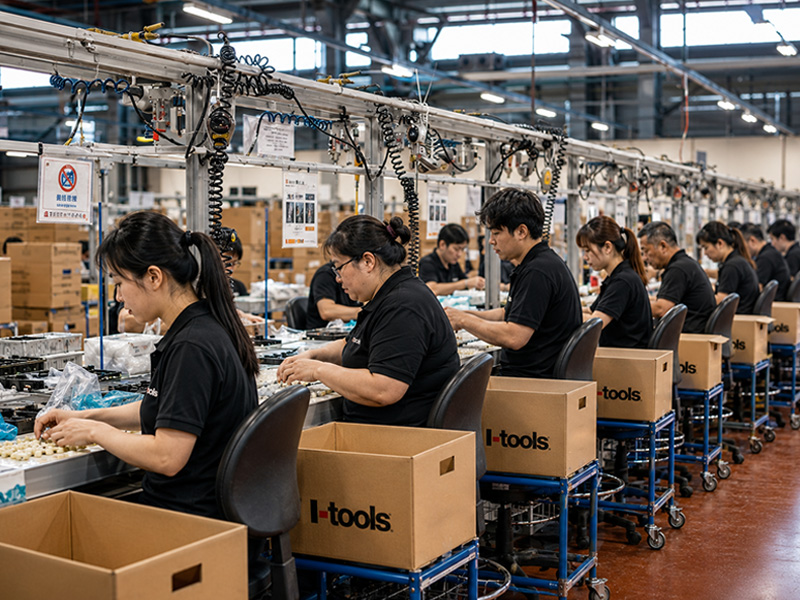
- Replicable production system
The project was not designed around the lowest cost for a single order. It focused on ensuring that the same quality and delivery performance could be repeated across different batches, time periods, and order volumes.
- Coordinated production and replenishment rhythm
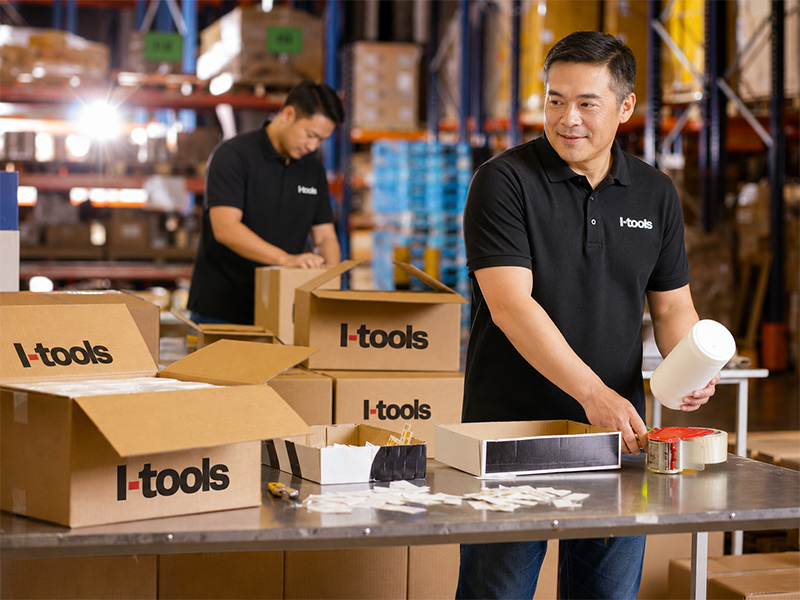
Production planning was arranged according to replenishment cycles across different markets and regions, reducing imbalance between production, inventory, and store demand.
- Building supply chain resilience
The project clearly excluded the following short-term practices:
- Sacrificing material integrity for a lower price.
- Lowering quality or compliance standards.
- Using temporary solutions that could not support order growth.
- Relying on low-cost resources that were not sustainable over time.
Long-term cost advantage was mainly achieved through process optimization, automation, standardization, and supply chain coordination.
Project Results
- The manufacturing system could support continuous replenishment for a large cross-regional retail network.
- Quality and delivery performance remained relatively stable during business expansion.
- Batch variation, inventory imbalance, and systemic recall risk were effectively reduced.
- Product cost remained controllable under strict retail price constraints.
- The supply system could adapt to order growth and retail network expansion.
Case Value
Low-priced products are not difficult to find. The real difficulty is maintaining stable cost, quality, and delivery after the business scales.
What L-Tools provided was not just a lower quotation, but a manufacturing logic that could continue operating under locked pricing and large-scale supply conditions.