



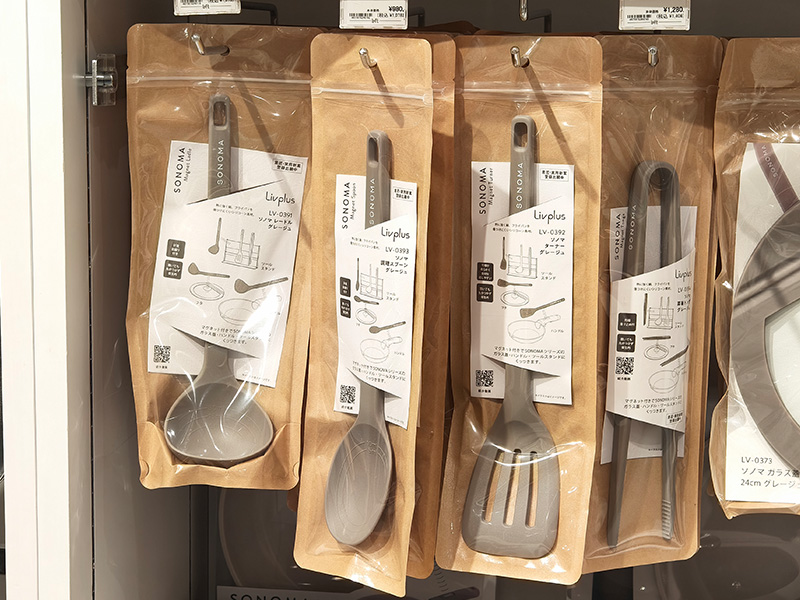
Project Background
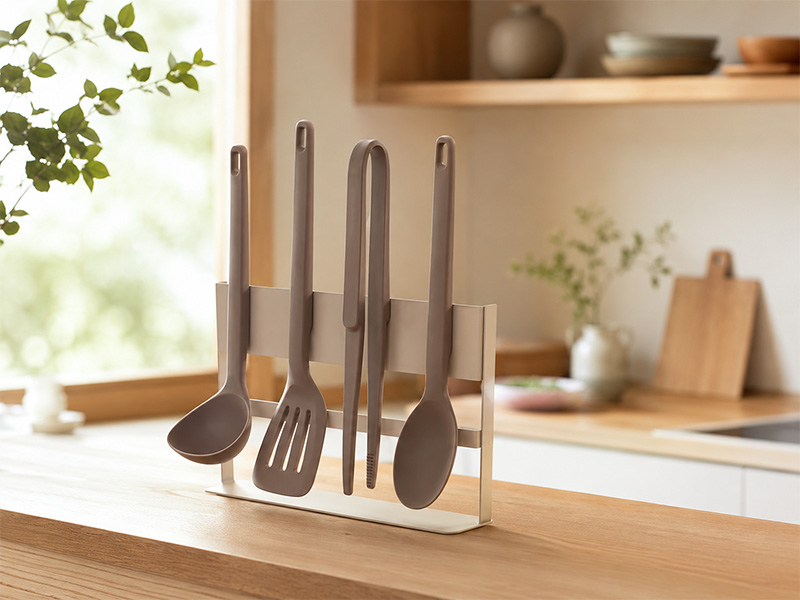
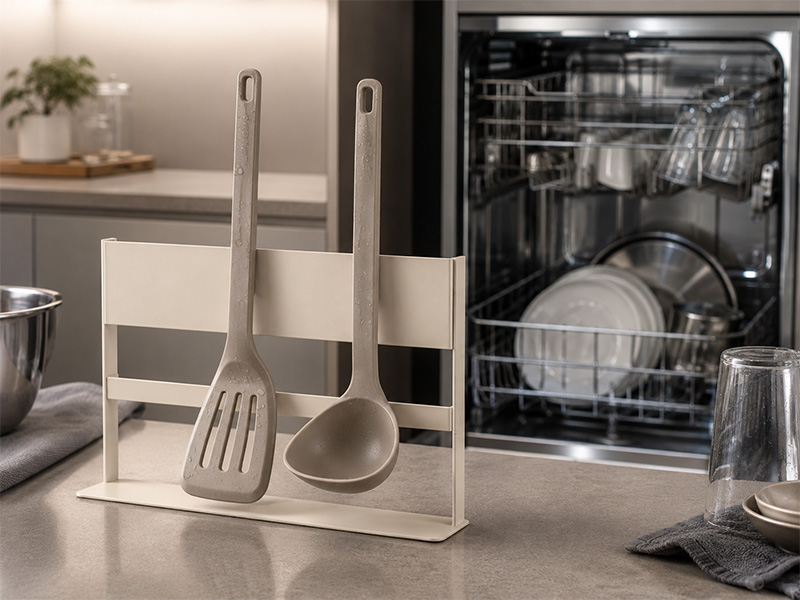
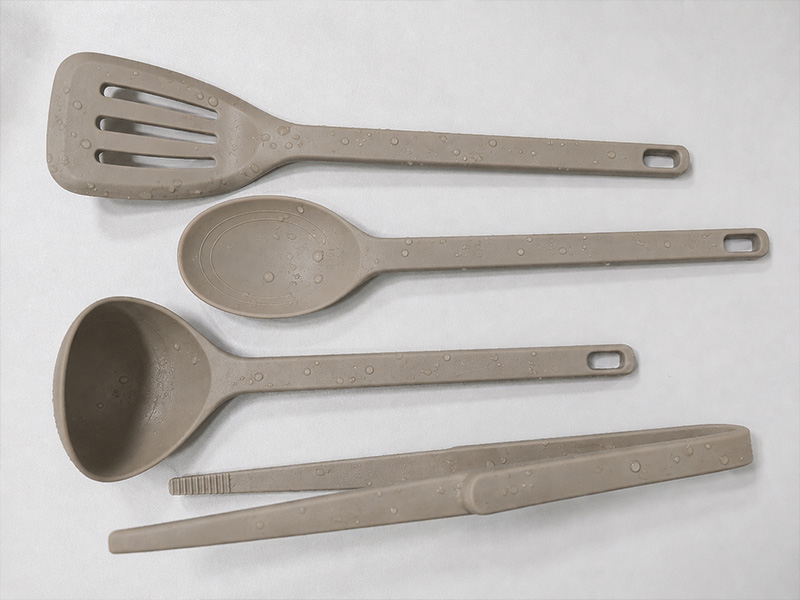
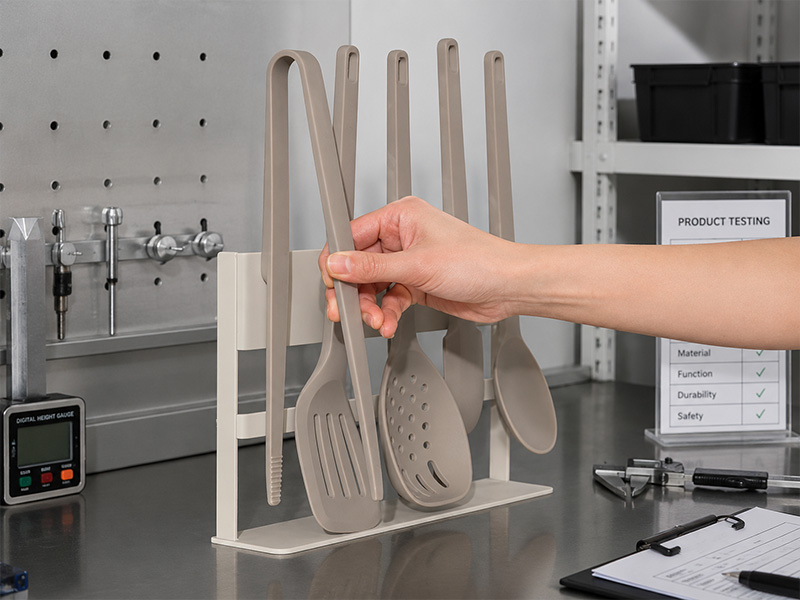
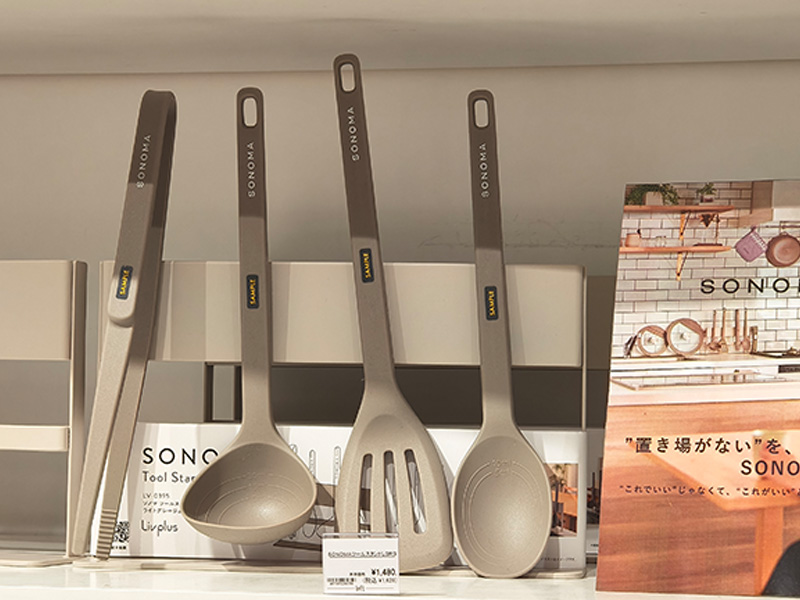
A kitchenware brand planned to develop a space-saving magnetic silicone kitchen tool set.
The product needed to integrate magnets, a nylon internal frame, and food-grade silicone into one structure while meeting requirements for magnetic stability, hand feel, food-contact safety, and dishwasher durability.
The real challenge was not making a visually acceptable sample. It was ensuring that the product could be produced consistently and repeatedly at scale.
Core Challenges
- Magnets could lose magnetic strength during high-temperature processing.
- Embedded magnetic cores could shift during injection moulding and overmoulding.
- The interface between silicone and the internal frame could crack.
- The multi-material structure could cause deformation, uneven overmoulding, or visual defects.
- Sample performance could differ noticeably from mass-produced products.
- The product needed to pass strict food safety and durability testing.
Solution
- Embedded magnetic structure
The project used an embedded magnetic system, fully enclosing the magnetic components inside the product to avoid risks related to exposed magnets, such as detachment, cleaning issues, and food-contact concerns.
- High-temperature-resistant magnetic materials
The team worked backward from the actual temperature ranges of nylon injection moulding and silicone forming to validate the magnetic materials and related components, ensuring that the magnetic parts could maintain stable performance during processing and long-term use.
- Magnetic core positioning control
Customized mould positioning and constraint structures were used to control magnetic core movement during injection moulding and overmoulding. This reduced the risks of uneven magnetic distribution, surface defects, and structural deformation.
- Product design for manufacturing
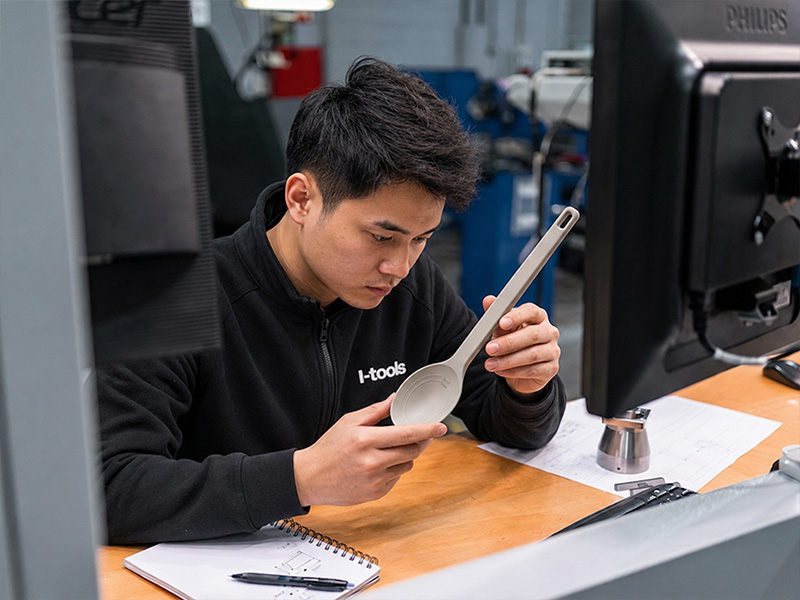
Before mass production, the project included failure mode analysis and material flow simulation, with particular attention to the following factors:
- Stress concentration between the silicone and the internal structure.
- Whether wall thickness and gate positions were reasonable.
- Whether the material could evenly cover the internal structure.
- Whether forming pressure could deform the internal structure.
- Whether consistency could be maintained in repeated production.
- Functional precision control
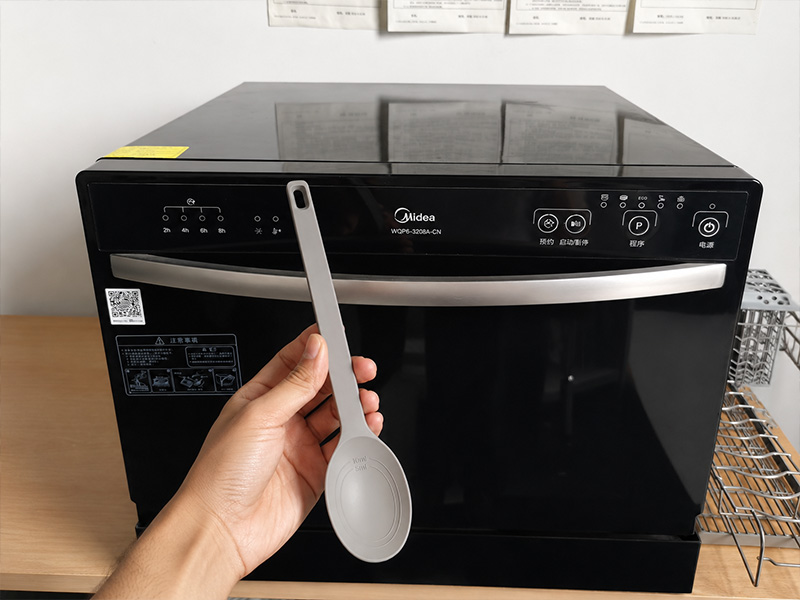
Some products included a capacity measurement function. Through precise mould processing and dimensional control, the product was able to provide both everyday utensil value and measuring-tool value.
Project Results
- The product successfully moved from concept validation into mass production.
- Magnetic performance remained stable after processing and use testing.
- The product passed food-contact safety, structural strength, and dishwasher durability tests.
- The mass production scrap rate was controlled at a low level.
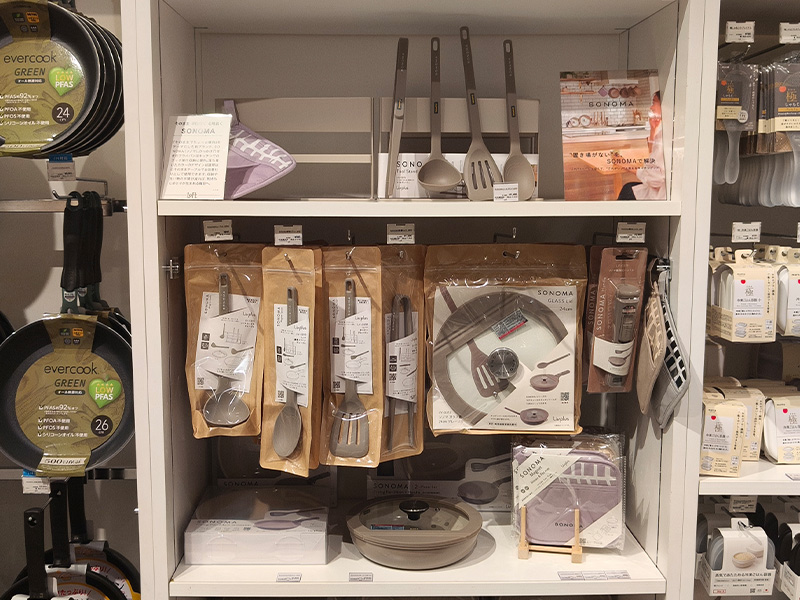
- The product entered online and offline retail channels in the target market.
Case Value
The success of a complex product depends not only on the design idea, but also on whether material selection, structural design, mould positioning, and production parameters can form a complete engineering loop.
L-Tools’ role was not simply to copy a design. It was to turn a high-risk concept into a repeatable, verifiable, and scalable product.