


Kitchenware Compliance & Certification Resources

Access key information on food-contact standards, factory audits, quality systems, and testing documentation for kitchenware programs across major markets.

Where Compliance Matters in Kitchenware Projects

Compliance requirements can appear at different stages of product development, sourcing, retail approval, and market entry. Here are six common situations where documentation, testing, or certification review becomes important.

L-TOOLS kitchen utensil holder and storage rack for organized cooking tools and accessories.

New Product Development

When a new kitchenware item is developed, materials, food-contact areas, coatings, and intended use may need to be reviewed before sampling or mass production.
Get Instant Quote >>
L-TOOLS product design team reviewing sketches and color samples during a kitchenware development project.

Custom Material or Color Changes

Changing a material, pigment, coating, or surface treatment may affect whether existing test reports remain applicable. Additional review or testing may be required.
Get Instant Quote >>
L-TOOLS large monitor displaying UI/UX design layouts, highlighting digital design workflow.

Retailer or Private-Label Approval

Retailers and private-label customers often require product test reports, factory audit records, specifications, packaging information, and labeling details before approval.
Get Instant Quote >>
L-TOOLS aerial view of a bustling market or mall interior, emphasizing organized commercial space.

Entering a New Market

A product already sold in one region may face different compliance, labeling, or documentation requirements when entering another market.
Get Instant Quote >>
L-TOOLS engineers discussing product development and quality management in a factory environment.

Supplier Qualification & Factory Audit

Buyers may review social responsibility, factory capability, quality systems, and supplier documentation before adding a manufacturer to an approved vendor list.
Get Instant Quote >>
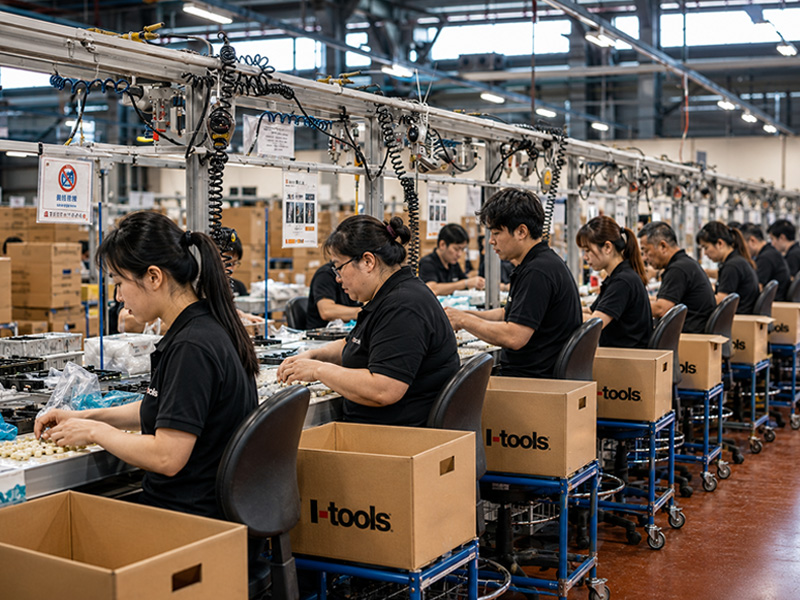
L-TOOLS factory team assembling and inspecting kitchenware products during production.

Pre-Production Validation

Before mass production, buyers may need to confirm that the approved sample, materials, test reports, packaging, and production specifications still match the final product configuration.
Get Instant Quote >>

Why Compliance & Certification Matter

Compliance and certification help buyers do more than meet technical requirements. They support safer products, lower market risk, and stronger confidence across the supply chain and at retail.
  • L-TOOLS modern factory interior with production lines and machinery, highlighting manufacturing efficiency.

    Product Safety & Consistency

    Verified testing and documented quality systems help confirm that materials, food-contact surfaces, coatings, and production processes meet the required standards.
    For buyers, this reduces the risk of material inconsistency, failed approvals, and differences between approved samples and mass production.

  • L-TOOLS team collaborating on paperwork, showing coordination and teamwork in business processes.

    Market Access & Risk Control

    Different markets may require different testing, documentation, labeling, and supplier qualifications. Clear compliance records help products move through retailer approval and market-entry processes more efficiently.
    They also reduce the risk of shipment delays, rejected products, recalls, or additional testing after production has already begun.

  • L-TOOLS hands signing documents at a desk with laptop, representing official paperwork and business transactions.

    Consumer & Retailer Confidence

    Consumers may never read a test report, but the standards behind a product influence the trust placed in the brand, retailer, and product itself.
    Reliable compliance documentation gives retailers and brand owners greater confidence when introducing kitchenware to the market and helps support long-term consumer trust.

What Buyers Value in Compliance Support

Clear documentation, responsive testing support, and reliable compliance review can make product approval easier for buyers across retail, private-label, and sourcing programs.

The documentation was clear and easy to review, which helped our team move through product approval without repeated questions.

L-TOOLS professional headshot of a man in a suit, highlighting corporate or business profile usage.
Michael Andersen
Product Manager

Having the test reports and product specifications aligned made our internal review much easier, especially for a multi-SKU kitchenware program.

L-TOOLS professional headshot of a smiling woman, suitable for corporate or team profile representation.
Sarah Thompson
Sourcing Manager

The team responded quickly when additional testing was needed and helped us understand which documents applied to the final product.

L-TOOLS professional headshot of a smiling man, suitable for corporate or team profile representation.
David Müller
Category Buyer

How l-tools Supports Kitchenware Compliance

At l-tools, compliance is considered throughout product development, from material selection and food-contact use to target-market requirements.

We help buyers review documentation, match reports to actual products, coordinate third-party testing when needed, and support retail, private-label, and OEM/ODM approval processes.

Our goal is to identify compliance gaps early and reduce delays before mass production or market entry.

Contact now

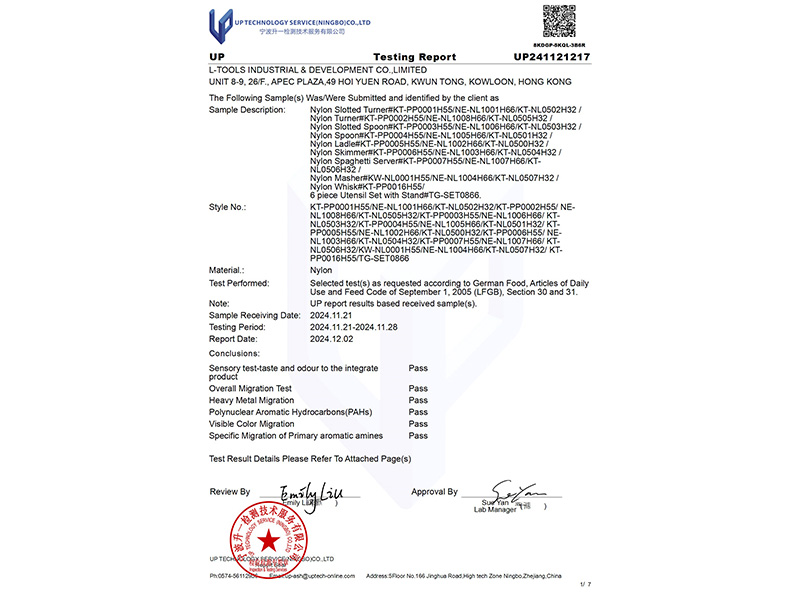
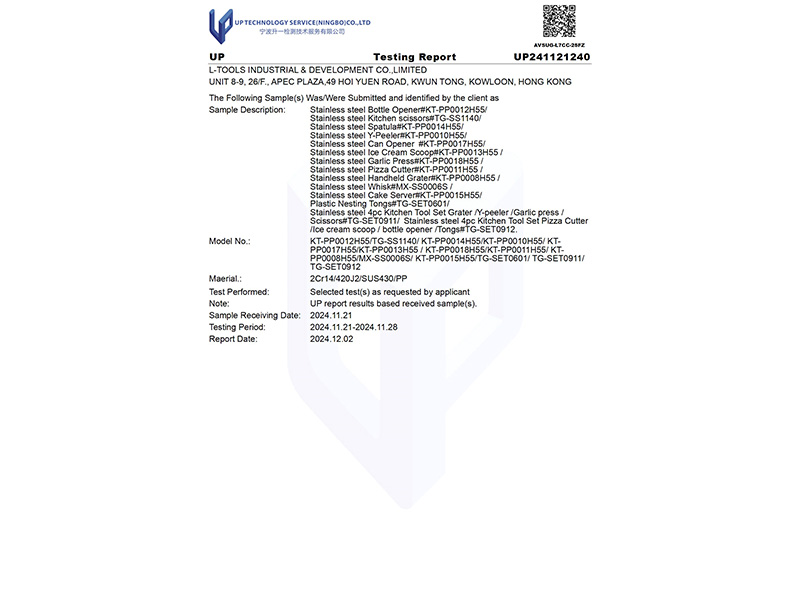
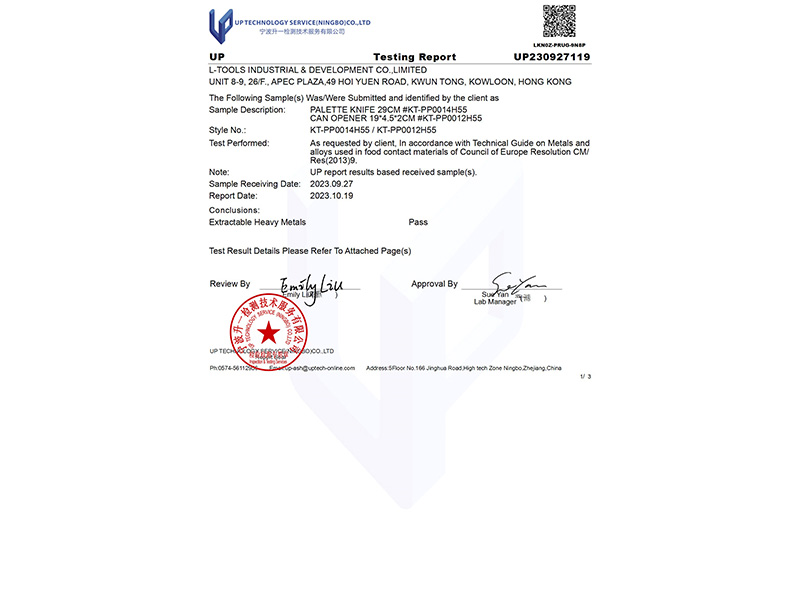
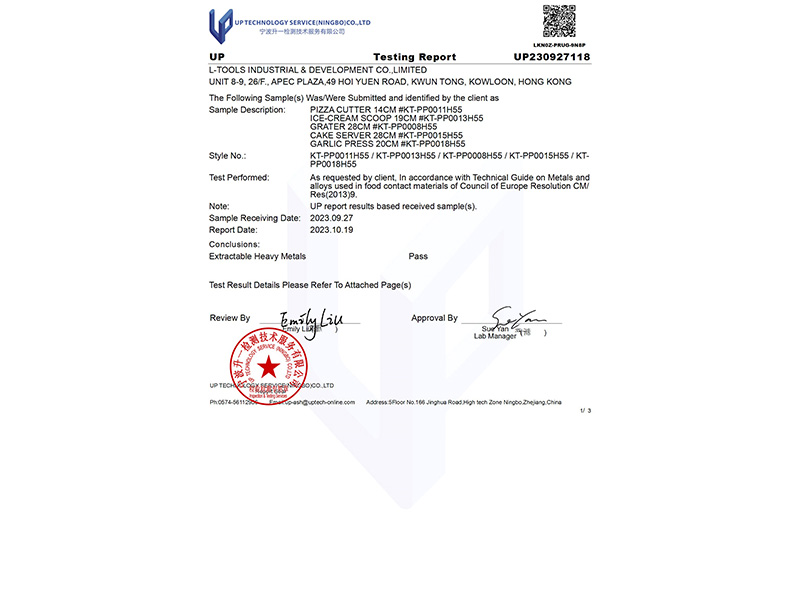
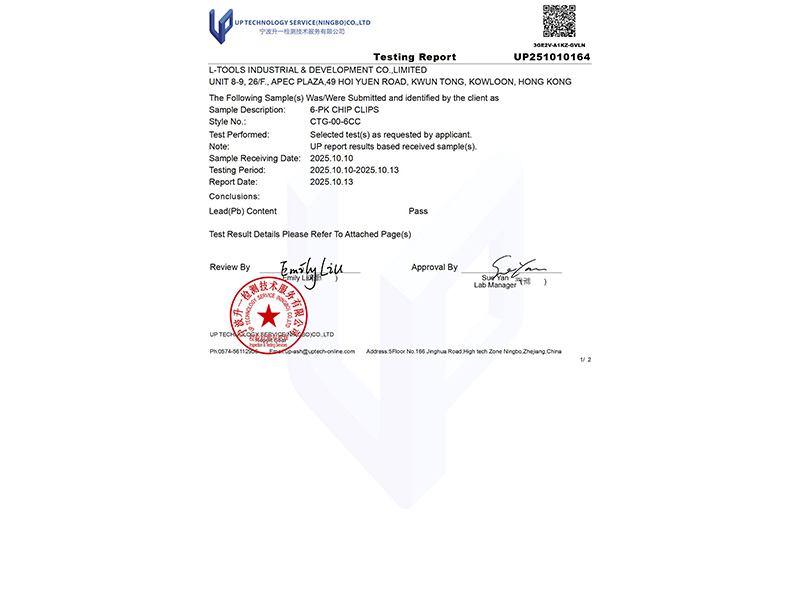
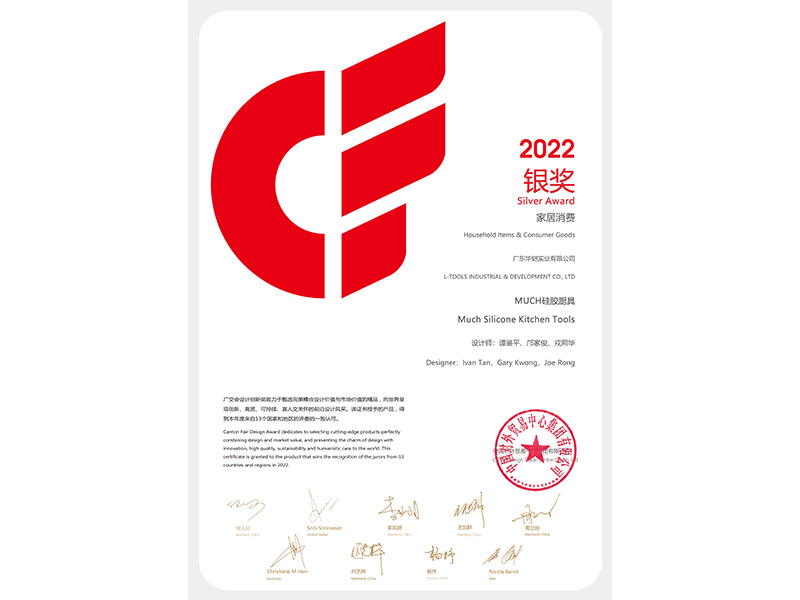
Certifications & Compliance Documents

FAQs

Not always. Whether an existing report applies depends on the product type, material, color, construction, food-contact area, and intended market. Similar products may still require separate review.

They may. Changes in color, material formulation, coating, bonding, or product construction can affect whether an existing report remains applicable. This should be reviewed case by case.

Depending on the project, buyers may request food-contact test reports, factory audit information, product specifications, material declarations, packaging references, and quality-management documentation.

Yes. When existing documentation does not fully match the product configuration or target market, third-party testing requirements can be reviewed and coordinated as part of project support.

This depends on the product and destination market. Common reference points may include FDA, LFGB, GB4806, FSANZ, JIS, and other applicable food-contact or market requirements.

Not always. Some documents may be shown as examples, while others are provided on request depending on the project, product type, confidentiality requirements, and report applicability.

L-TOOLS L-TOOLS logo on a white background, emphasizing brand identity and company recognition.

Get in touch with us

Contact l-tools today to explore custom solutions, premium products, and global supply capabilities tailored to your brand.
Contact Form