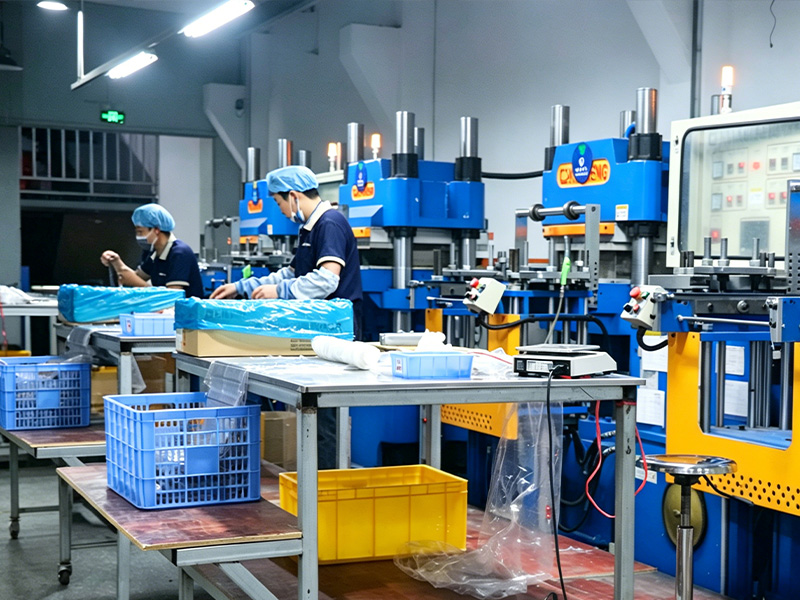
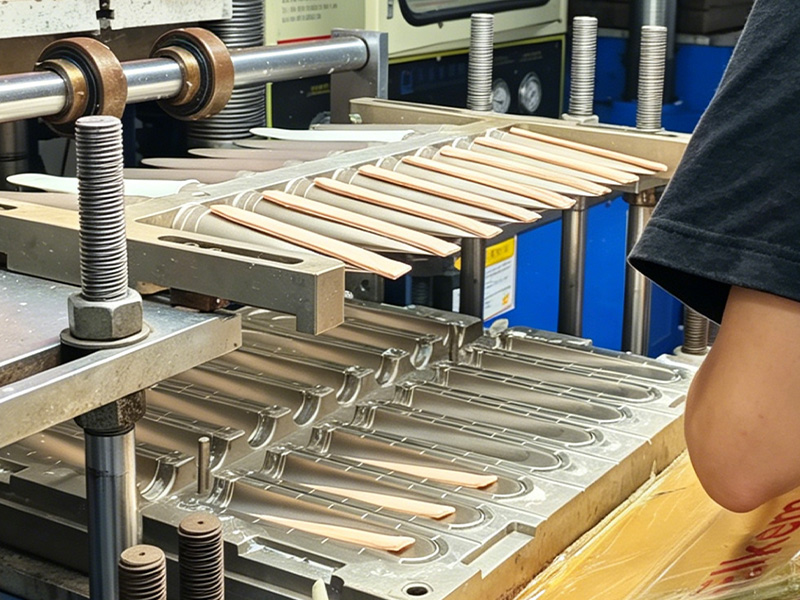
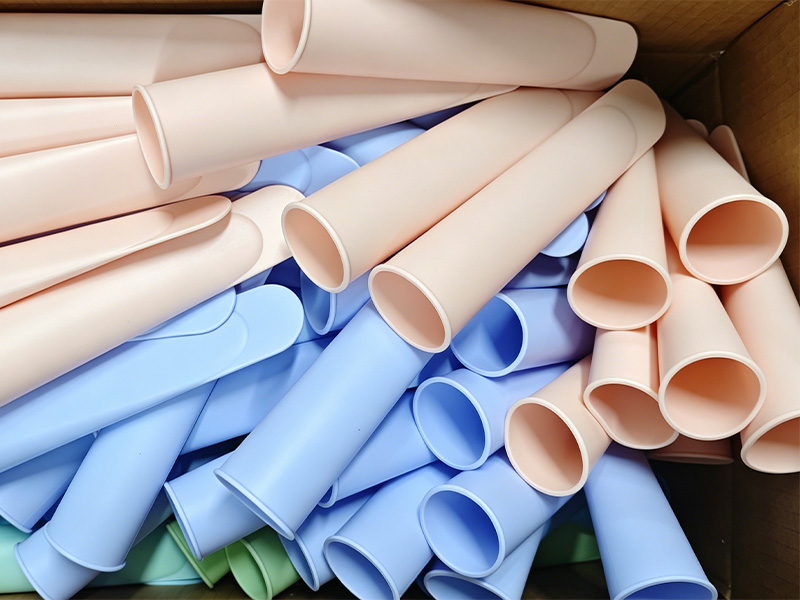

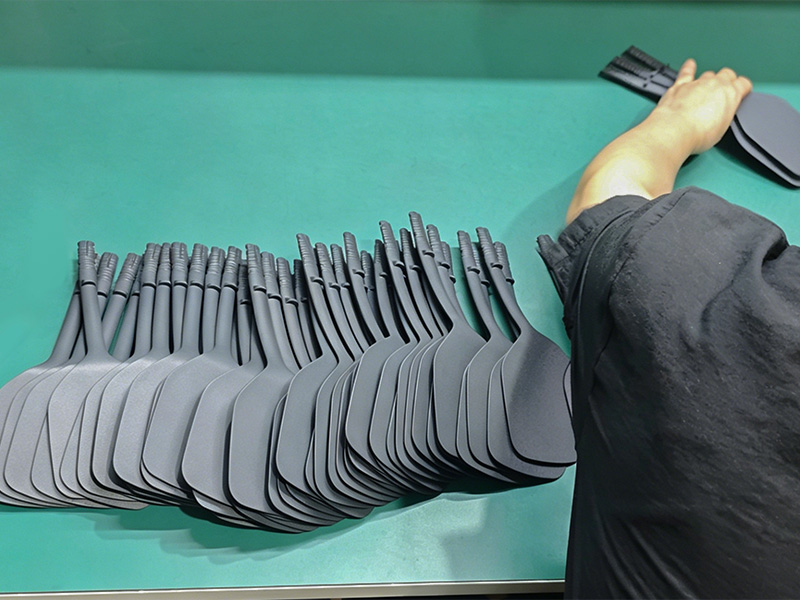
Project Background
The buyer was an experienced kitchenware business with an established supplier database and familiarity with major production networks in China. Supplier access was not the problem.
The challenge appeared when the buyer began developing a new multi-component Tools & Gadgets product. Unlike a familiar kitchenware item that can often be reviewed through material, finish, handle design, packaging, and price, this concept required a broader judgment of structure and actual use.
The buyer needed to understand whether the supporting components matched the main function, whether detachable parts would remain stable, whether food residue could be cleaned easily, whether consumers would understand the product from the packaging, and whether an approved sample could be reproduced consistently in mass production.
The project also had to move toward launch readiness within a demanding schedule that overlapped with peak production pressure and a major holiday shutdown.
Core Challenges
- The product concept and design direction existed, but several key development decisions had not been fully validated.
- The detachable structure could look acceptable in a drawing but feel unstable during actual use.
- Supporting components could fail to remain stable when pressure was applied.
- Narrow gaps and hidden corners could trap food residue and weaken the cleaning experience.
- Material decisions could either increase cost unnecessarily or reduce durability and rigidity.
- Packaging could protect the product but still fail to explain the function clearly on shelf.
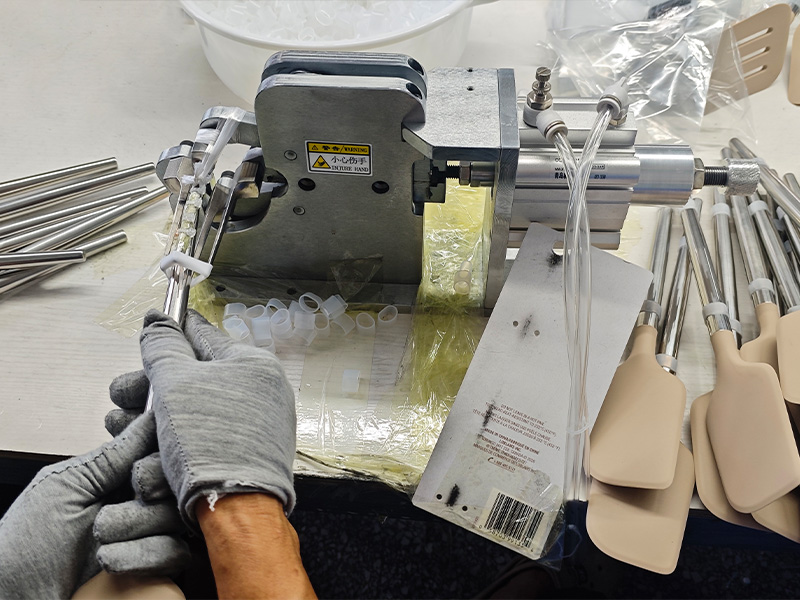
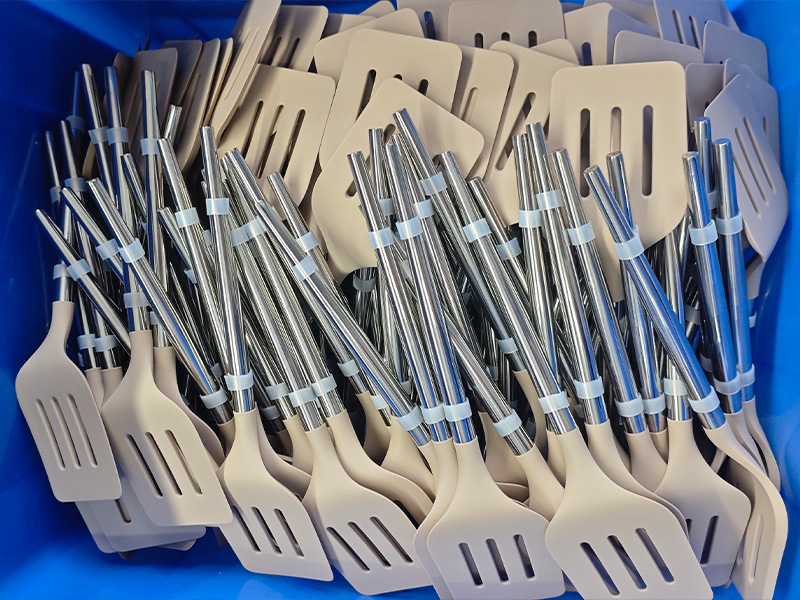
- A visually approved sample could become difficult to assemble and control consistently in mass production.
- Late structure changes could affect mould development, production scheduling, shipment, and launch timing.
Solution
- Structure review before sampling
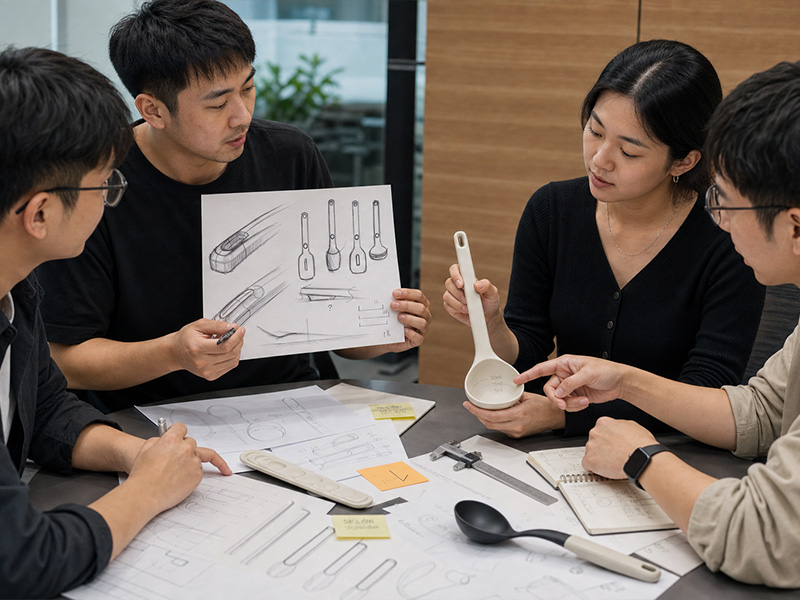
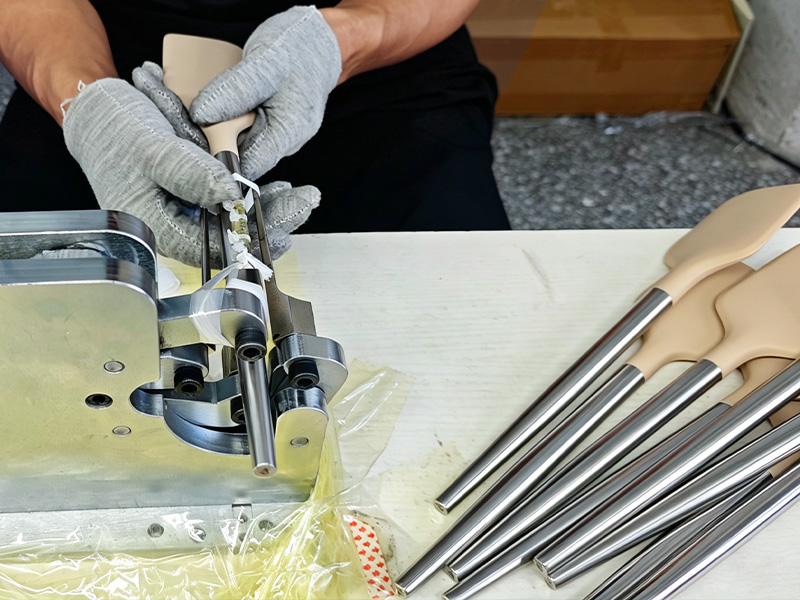
l-tools did not treat the buyer’s drawing as a simple quotation request. The team first broke down the relationship between the functional surface, detachable structure, supporting components, grip area, locking points, assembly method, and potential stress points. The goal was to identify use and manufacturing risks before the project moved too far into sampling or mould development.
- Material judgment by component
Different parts of the product were evaluated according to their actual function. Food-contact areas, functional parts, grip zones, supporting components, and structural connections could not be judged with one material rule. The discussion balanced food-contact safety, cleaning convenience, rigidity, durability, stain resistance, cost control, and moulding stability.
- 3D modelling and physical sampling
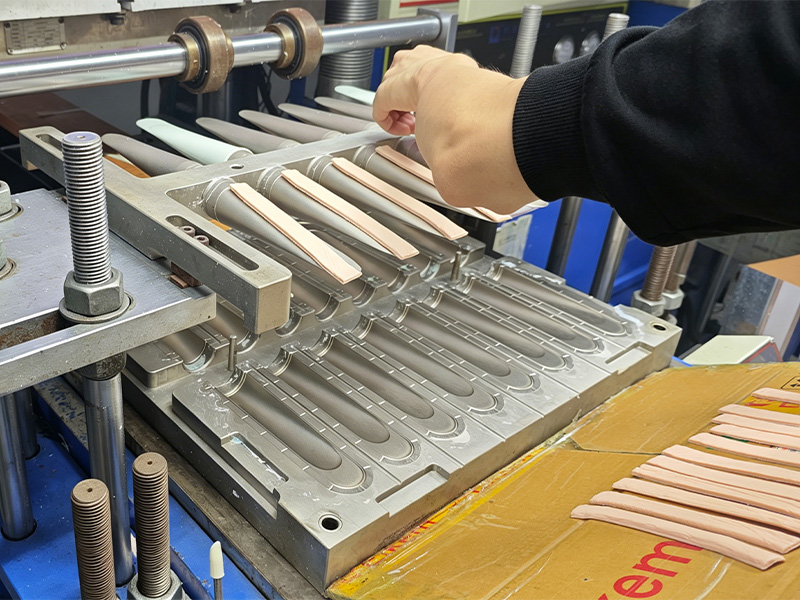
The product concept was moved into 3D modelling and 3D sampling so the buyer could review it as a physical structure rather than only as a drawing. The sample could be held, opened, assembled, compared, and challenged. This helped both sides identify where the structure needed adjustment before committing further resources to mould development.
- Revised detachable structure development
l-tools developed a revised detachable structure to improve usability, cleaning, assembly, stability, and production feasibility. This was not a cosmetic change. It was a structural response to the interaction between consumer use and manufacturing reality.
- Competitor comparison during product review
Relevant competitor samples were introduced during a later review session. Comparing physical products changed the discussion from abstract opinion to practical evaluation. The buyer could see how different structures, materials, component designs, and use experiences affected the product and could make faster, more evidence-based decisions.
- Packaging considered from the sample stage
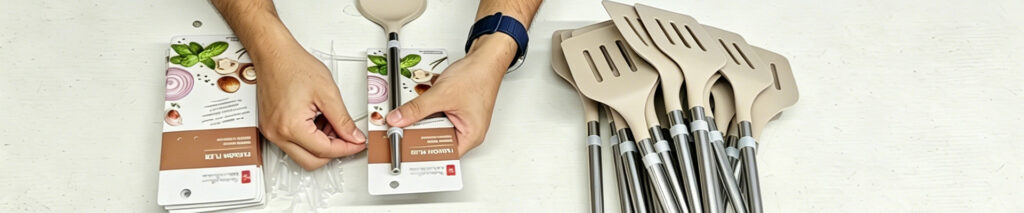
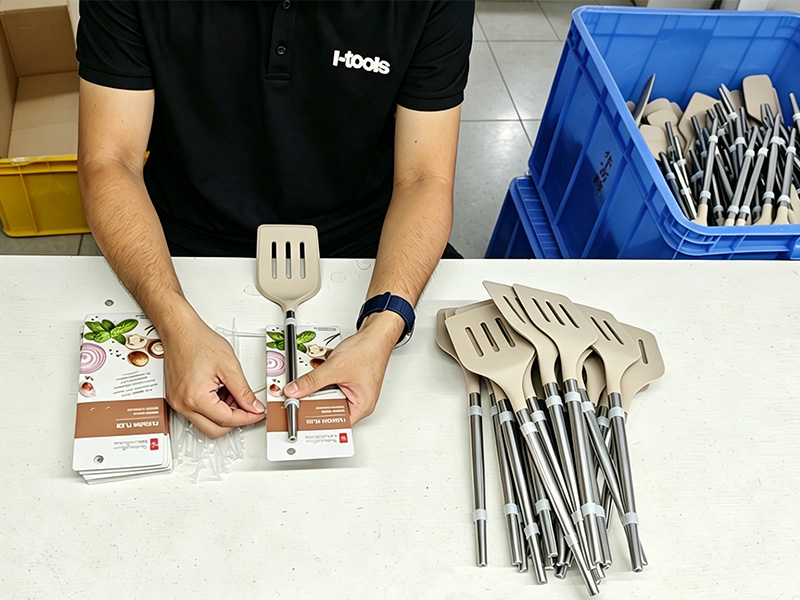
Because the product was intended for retail launch, packaging was considered before mass-production preparation. The packaging needed to protect the structure while also helping consumers understand the function, detachable design, component use, and overall value. Display direction, protection method, accessory placement, and shelf presentation were reviewed alongside product development.
- Timeline managed around launch risk
The project moved through several structured development sessions supported by ongoing communication. Early reviews clarified the project direction and cooperation boundaries. Later reviews focused on product understanding, competitor comparison, and structural options. The final technical review closed key questions and supported mould-development decisions.
l-tools worked backward from the target launch window and reviewed the sequence of development, moulding, confirmation, production, and shipment before late-stage changes could create avoidable delays.
Project Results
- The buyer’s decision process became more structured and evidence-based.
- Structure review and 3D sampling reduced uncertainty before mould development.
- Physical competitor comparison helped the buyer align product expectations more quickly.
- The project tested supplier development capability rather than only quotation and production capacity.
- Early review of structure, materials, cleaning, packaging, and production consistency reduced common launch risks.
- The project moved from an incomplete concept toward structure optimization and mould-development preparation.
- The buyer gained a clearer path from product idea to a manufacturable, testable, and retail-ready item.
Case Value
The value of this project was not simply that a sample was produced. The buyer gained a more reliable decision process before committing to moulds, packaging, production, and launch timing.
l-tools’ role was to convert an incomplete product idea into a more manufacturable and testable structure while keeping usability, cleaning, packaging communication, production consistency, and schedule risk connected.