A kitchen tool can perform well and still be difficult to live with. Before buying another spatula, ladle, or utensil set, users may picture where the product will go and whether it will fit naturally into their existing kitchen.
For brands and private-label buyers, storage-friendly kitchenware design must consider fit, retrieval, cleaning, drying, and repeated storage alongside cooking performance. A drawer that will not close or a tool that blocks nearby items makes storage part of the product experience, not merely a household problem.
The 2026 U.S. Houzz Kitchen Trends Study found that most surveyed U.S. homeowners who upgraded their cabinets incorporated built-in specialty storage. Although limited to renovation projects, the finding shows why storage conditions should be reviewed before product dimensions are finalized.

Storage Starts With Fit, Not Appearance
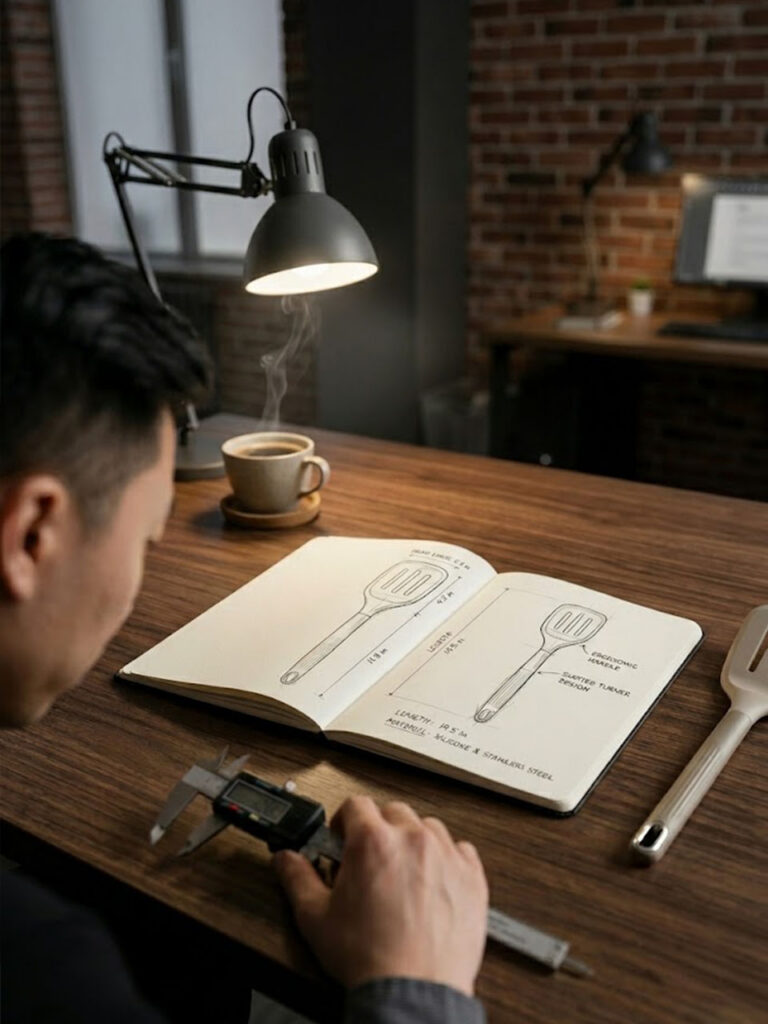
A product may look compact in a rendering while remaining awkward inside a real kitchen. Visual compactness and practical fit are not the same thing, especially when products are evaluated individually on an open desk.
For long-handled kitchen tools, total length is only one measurement. Buyers should also examine the height created by the handle angle, the width of the tool head, the hanging-hole position, and the clearance required to reach adjacent items.
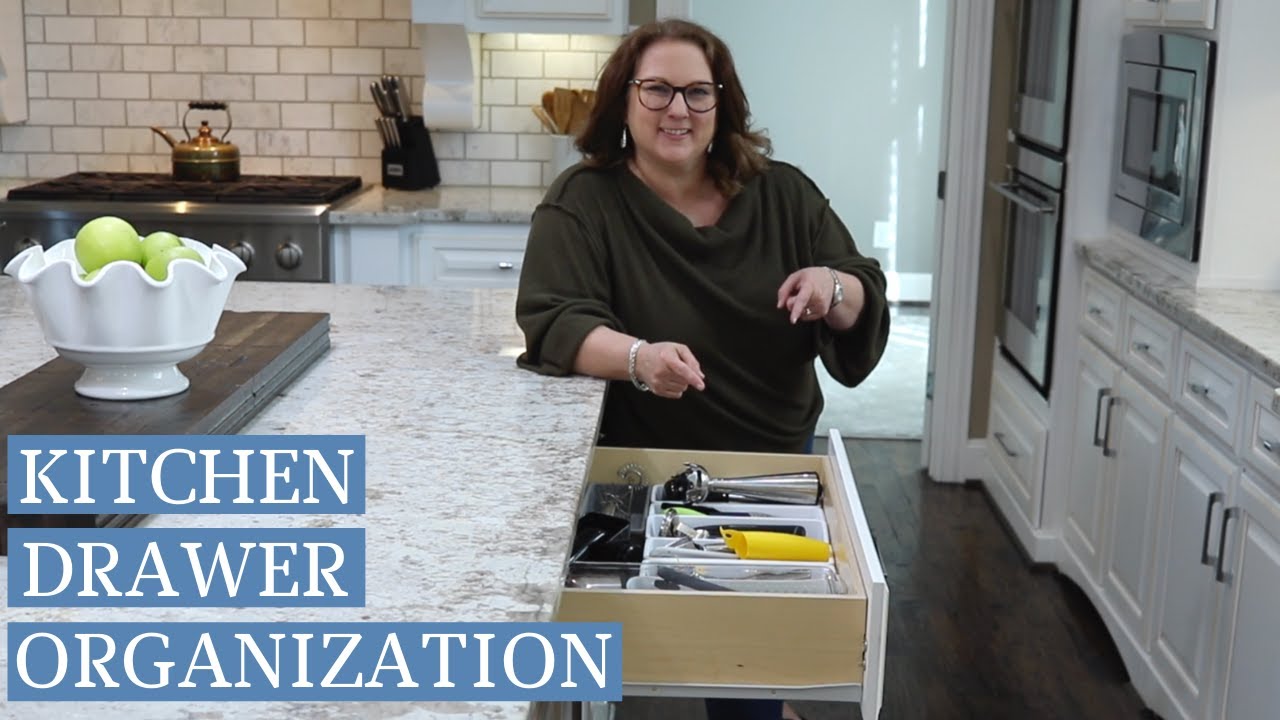
A utensil may technically fit inside a drawer but still sit diagonally, catch on a divider, or force users to move several other tools before removing it. These small interruptions can make everyday storage and retrieval unnecessarily complicated.
The same problem can appear with hanging storage. A tool may fit onto a hook while its head projects outward, interferes with nearby utensils, or prevents a cabinet door from closing, meaning that the storage feature works only in isolation.
For this reason, kitchenware sample evaluation should include realistic storage situations as well as material, appearance, hand feel, and cooking performance.
When a Functional Tool Fails the Storage Test
We encountered this issue while reviewing a long-handled silicone spatula. The spatula head provided an appropriate balance of flexibility and support, while its material, appearance, and cooking performance presented no obvious problems during the initial assessment.
Instead of evaluating the sample only in the development room, we asked different testers to place it in their usual kitchen storage areas. This revealed conditions that could not be seen during a desktop inspection.
In some drawers, the utensil prevented comfortable closure or interfered with nearby knives, boards, and dividers. When it was hung inside a cabinet, the handle angle caused the spatula head to project into the door’s path.
Because similar difficulties appeared in different storage arrangements, we did not treat the feedback as one person’s organizational preference. The product passed its cooking evaluation but exposed a repeatable storage problem.
Small Dimension Changes Can Improve Daily Storage
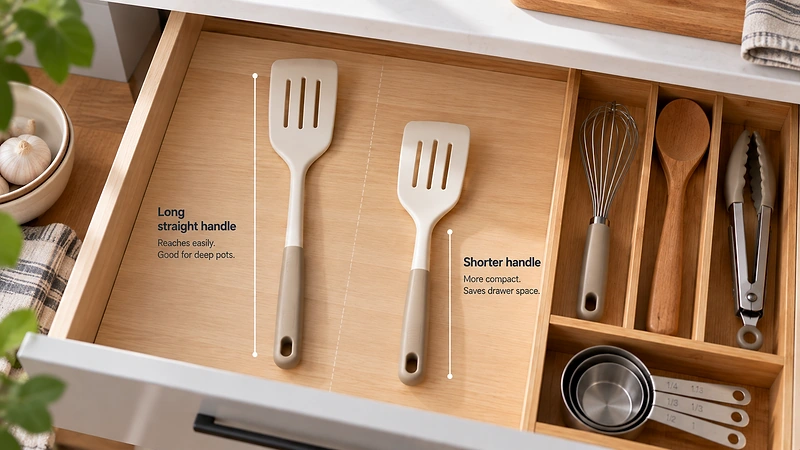
The solution did not require changing the spatula head or compromising its cooking function. We shortened the handle and replaced the completely straight end with a slight curve that reduced the overall storage footprint.
A hanging hole remained at the end of the handle, allowing users to choose between flat and vertical storage. This retained storage flexibility instead of forcing every household to use the same arrangement.
The adjustment was visually modest, but it addressed several practical problems at once. The drawer could close more easily, nearby products remained accessible, and the utensil sat more naturally when hung.
This experience led us to add two practical checks for long-handled kitchen tools:
- Drawer-closing test: Can the product lie inside common drawer arrangements without obstructing closure?
- Adjacent-item retrieval test: Can users remove the tool, or an item beside it, without rearranging the entire drawer?
These checks do not replace cooking tests. They extend them by recognizing that a kitchen tool spends much of its life in storage, where dimensions and angles continue to influence the user experience.
For buyers, the objective is not to make every handle as short as possible. Excessive reduction may affect grip, reach, leverage, or heat clearance, so storage improvements must remain compatible with the tool’s primary function.
A storage-first approach instead asks whether each dimension has been validated in the environment where the product will be kept. The goal is a tool that cooks effectively and returns to storage without creating another problem.
Compact Is Not the Same as Easy to Store
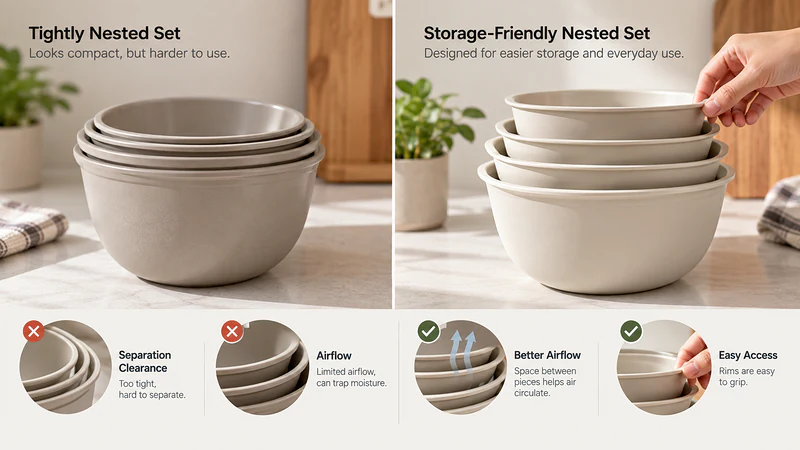
Nesting is a common way to make measuring cups, bowls, containers, and preparation tools look more space-efficient. However, a lower stacking height does not automatically create a better storage experience.
Buyers must also consider how easily the pieces separate, whether moisture becomes trapped, and how much attention is required to return them to storage. Compactness should reduce effort as well as physical space.
A nested set can become frustrating when the fit is too tight. Wet surfaces, flour, oil, or detergent residue may increase resistance, meaning that space is saved at the expense of accessibility.
This connects with Cornell University’s principles of universal design, which emphasize providing appropriate space for reaching, manipulating, and using products. For kitchenware, that principle continues to apply when products are removed from and returned to storage.
Nesting Must Be Tested Under Real Conditions
A clean, dry sample can make a nested design appear easier to use than it will be in a working kitchen. Real-use testing should introduce the conditions likely to affect separation and drying.
Measuring cups may be handled with wet fingers, flour-covered hands, or traces of cooking oil. They may also be stacked before every surface has dried, and these ordinary conditions change how closely the pieces interact.
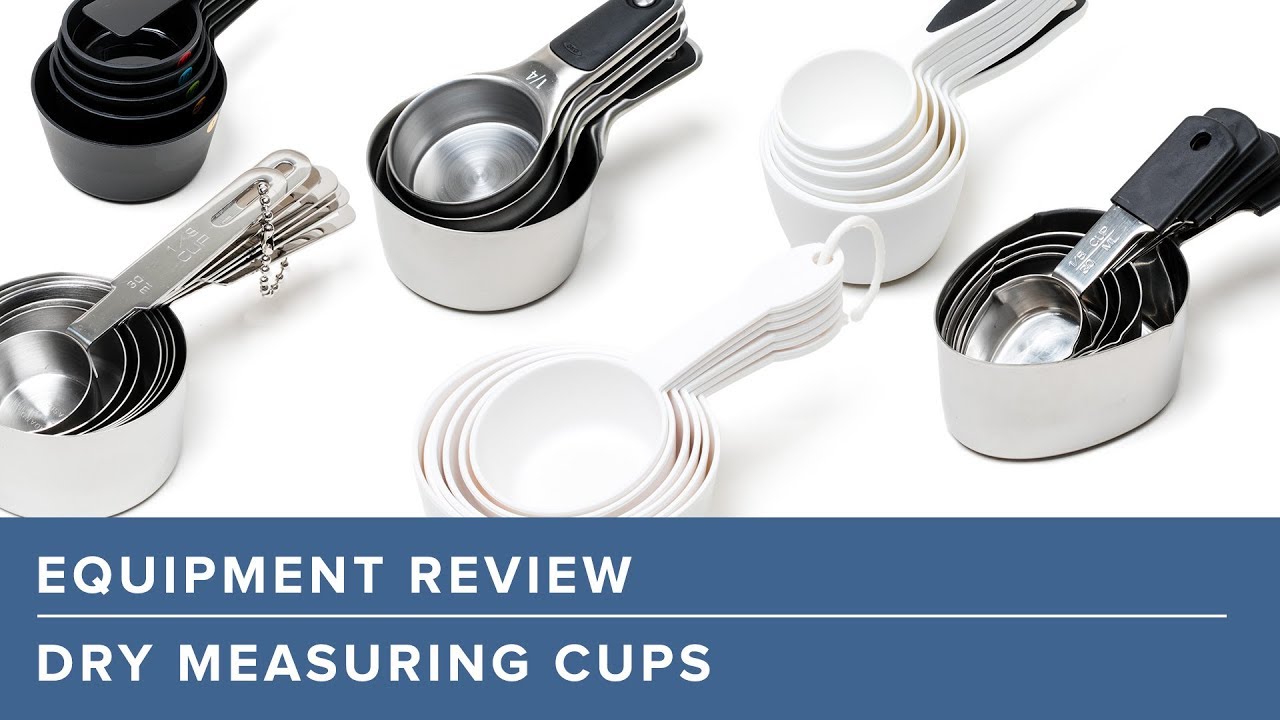
We encountered this while developing a stainless steel measuring cup set. The original cups fitted closely together and looked compact in product renderings, but kitchen testing revealed practical limitations that were not visible in the presentation images.
The cups became more difficult to separate when handled with wet or flour-covered hands. After washing, close contact between the exterior surfaces restricted airflow, allowing residual moisture to remain between the nested cups.
If the cups were stored while still damp, water marks or unwanted odors could develop over time. The set also required a particular stacking order, and an incorrectly positioned cup could make the stack sit unevenly.
These issues did not affect the measuring function itself. However, together they weakened the convenience promised by the space-saving design and showed that static stacking height was not enough to approve the product.
Preserving the Measuring Function While Improving Airflow
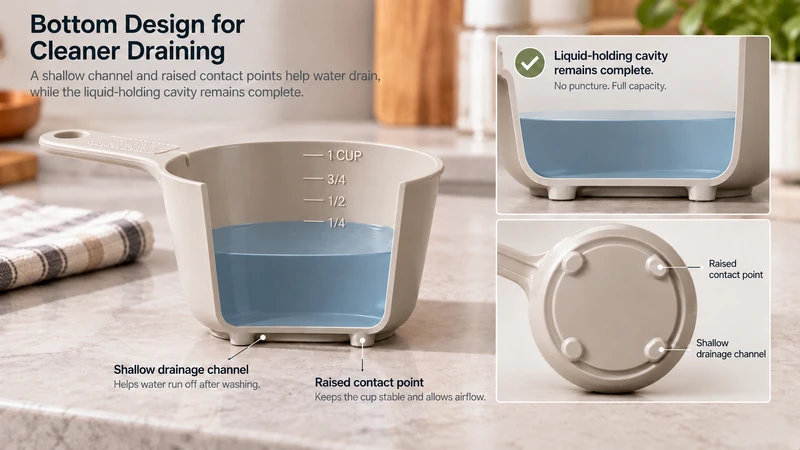
The measuring cavity could not be punctured or interrupted. Each cup needed to retain a complete, smooth interior so it could continue holding and measuring both dry and liquid ingredients.
Instead of adding a hole through the cup, we adjusted only the exterior nesting surface. A very shallow circular drainage channel was introduced around the outer area of the base, together with a slightly raised central contact point.
When the cups were stacked, these exterior features prevented the base surfaces from sealing completely against one another. The resulting gap supported limited airflow and a drainage path toward the outer edge.
Most importantly, the circular channel did not pass through the measuring cavity. The interior remained intact, smooth, and suitable for liquid measurement, so the storage adjustment did not compromise the product’s primary function.
This distinction is important in product development. A storage improvement should remove one problem without creating another, especially when the proposed adjustment affects a food-contact or measuring surface.
The FDA Food Code identifies smoothness and cleanability as important general characteristics of multiuse food-contact surfaces. It is not a certification standard for consumer measuring cups, but its cleanability principles provide a useful design reference.
A Better Test for Nested Kitchenware
This development experience led us to add two practical checks when evaluating nested or stackable kitchenware:
- Wet-hand separation test: Can each piece be removed safely without excessive pulling, twisting, or fingernail pressure?
- Moisture and drying test: After washing, can air move between the stacked pieces, and can residual water escape without collecting in enclosed contact areas?
Buyers should also check whether the pieces can be returned intuitively and whether the complete stack remains stable. Normal production tolerances must be considered because mass-produced units may fit more tightly than the approved sample.
These checks reveal more than a static packaging measurement. They show whether the product remains convenient after cooking, washing, drying, and repeated storage.
A successful nesting design balances compactness, separation, stacking stability, and drying. If one factor is ignored, the product may occupy less physical space while demanding more effort from the user.
More Pieces Can Create More Storage Pressure
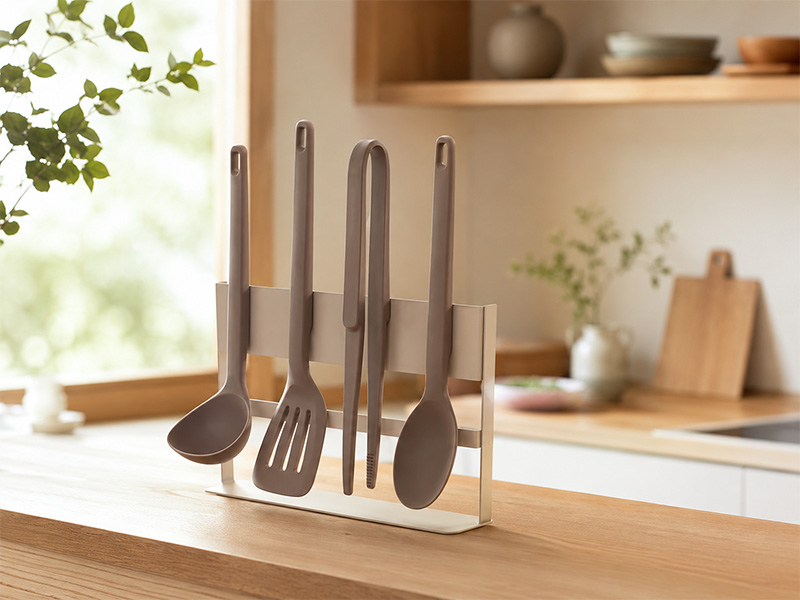
A large kitchen tool set can communicate variety and value at first glance. However, more pieces also create more storage pressure, especially when the complete set requires a permanent position on the countertop.
A large storage stand can increase the space needed inside the package as well as in the kitchen. This means assortment decisions can influence packaging, warehousing, distribution, and household storage at the same time.
The main question is not simply how many pieces can be included. Buyers should determine whether each tool serves a distinct and relevant purpose for the intended user.
This is one reason smaller, more focused kitchen tool sets deserve careful consideration. Removing unnecessary pieces does not automatically reduce value when the remaining assortment becomes easier to understand, store, and use.
Set Planning Should Begin With Use Frequency
In one kitchenware development project, an early proposal combined a broad selection of utensils with a large countertop storage stand. The concept looked complete, but its value depended heavily on piece count and visual volume.
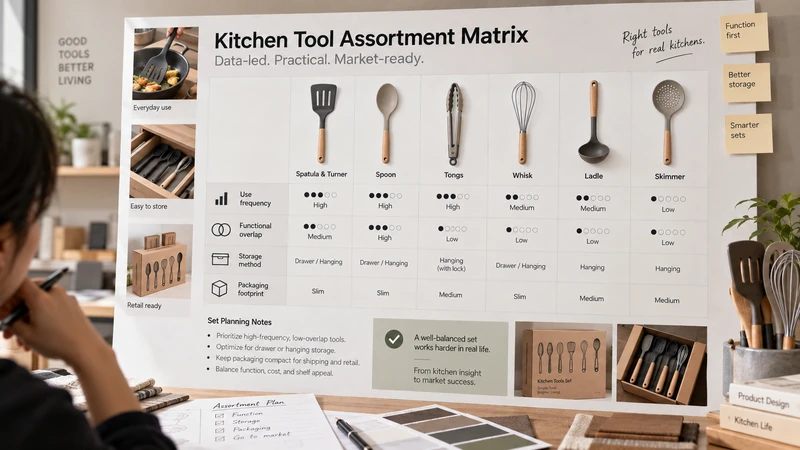
Before confirming the assortment, we reviewed how frequently the intended users were likely to need each function. We also examined functional overlap, countertop occupation, alternative storage methods, and the packaging footprint of the complete set.
The review showed that several pieces supported overlapping or occasional tasks, while a smaller group represented the main everyday functions. The stand also required users to dedicate a fixed area of the kitchen to the complete collection.
The issue was not that every large set is unsuitable. It was that this particular assortment had been planned around quantity before storage and use had been validated.
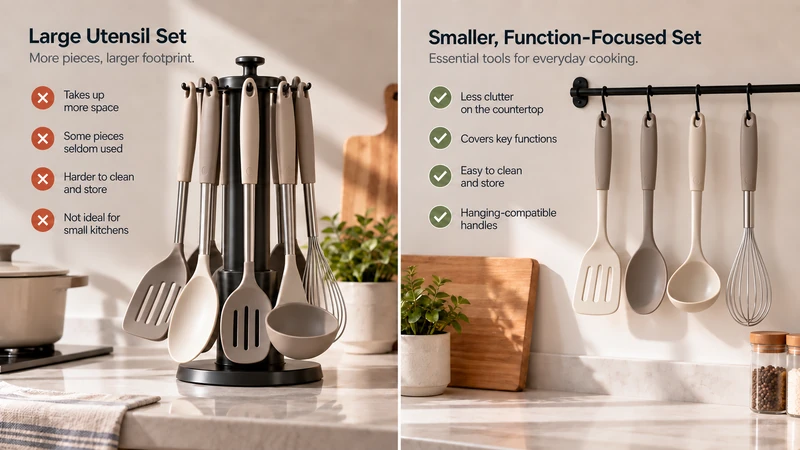
The final concept was reduced to a more focused selection of non-overlapping tools. The large countertop stand was removed, and each handle retained a hanging hole so the utensils could be stored vertically or inside a drawer.
This adjustment preserved the main cooking functions while giving users more than one storage option. It also created a more compact packaging structure without relying on unverified claims about sales or consumer preference.
The same logic applies when reviewing single-use kitchen gadgets. A specialized function may be justified for a particular audience, but it should not be added only to increase the apparent size of a set.
Storage and Assortment Decisions Should Be Made Together
Storage format should not be selected after the assortment has already been approved. Piece count, handle geometry, hanging methods, product dimensions, and packaging structure influence one another throughout development.
Removing a countertop stand only works when the utensils have another practical storage method. Hanging holes can help, but buyers still need to check their position, strength, balance, and compatibility with common hooks or rails.
Reducing the number of pieces also requires a clear understanding of the intended market. A tool that appears unnecessary in one cooking context may be important in another, so usage frequency should not be treated as a universal ranking.
When developing kitchen utensils for everyday cooking, buyers can review the proposed assortment through four questions:
- Frequency: Is the tool likely to be used regularly by the intended customer?
- Functional overlap: Does another piece already perform substantially the same task?
- Storage flexibility: Can the product be stored in a drawer or hung without requiring a dedicated stand?
- Packaging footprint: Does the piece provide enough functional value to justify the additional volume?
These questions convert a vague request such as “make the set more compact” into specific product-development decisions. They also help buyers compare alternatives before tooling, packaging, and production arrangements become harder to change.
What Buyers Should Validate Before Production
Storage testing does not always require complicated equipment. Many early problems can be identified by placing a complete product sample in realistic drawers, cabinets, hanging areas, and countertop arrangements.
The evaluation should follow the full storage cycle: take the product out, use it, wash it, dry it, and return it. Looking only at an unused sample can hide separation, drainage, clearance, and retrieval problems.
Before production approval, buyers should confirm:
- Drawer and cabinet fit: Do long tools allow drawers and doors to close normally?
- Retrieval clearance: Can nearby items be removed without rearranging the complete storage area?
- Nested separation: Can individual pieces be separated safely with wet hands?
- Drying conditions: Can washed components drain and dry when returned to storage?
- Assortment relevance: Does every tool have a clear purpose for the intended user?
- Storage flexibility: Can the product work with more than one realistic storage arrangement?
- Production tolerance: Could normal dimensional variation change the approved nesting or storage fit?
A golden sample should record more than color, finish, and appearance. When storage performance depends on dimensions or nesting tolerances, the relevant measurements and functional checks should be added to the product specification.
Buyers can also use the L-Tools kitchenware development and ordering support resources when preparing sampling questions, product specifications, and preproduction reviews. Storage requirements are easier to control when they are defined before mass production begins.

Storage-Friendly Design Has to Work After Cooking
Storage-first thinking does not mean making every product smaller or eliminating every large set. It means evaluating cooking function, available space, retrieval, cleaning, drying, and assortment planning as one connected product experience. A product is genuinely storage-friendly when compactness does not compromise its primary function or create additional work for the user.
Develop Kitchenware That Fits Real Kitchens
l-tools supports brands and private-label buyers in developing kitchenware around real cooking and storage conditions, from early sampling to preproduction review. Explore our kitchen utensil range or contact our team to discuss a storage-friendly utensil, compact assortment, or custom kitchenware project.